博文
2025 Ray Wu Prize Winner
|
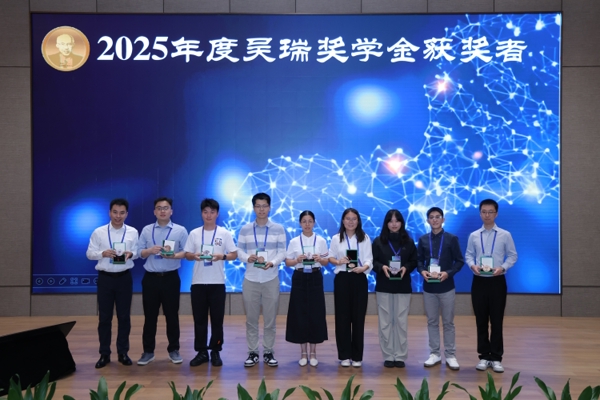
2025 Awardees at Ceremony
Jingwen Chen
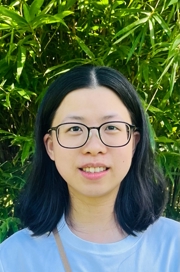
Background: Ms. Chen received her BS from Xiamen University in 2018. She entered the PhD program at the Institute of Neuroscience, CAS in the same year, joining the laboratory of Dr. Wang Liping. Her doctoral research focused on sequence working memory. She discovered that separated sensory and memory subspaces and their interactive neural dynamics control this memory process. The high-throughput recording system used more than 250 electrodes, requiring sophisticated skills in brain surgery, data acquisition, and mathematical analysis. In her second project, she revealed that transitions in the neural landscape of the frontal cortex support the symbolic system of mental programming.
Citation: Ms. Chen projected confidence when presenting her research subjects. The method she developed for assessing the sequential process of memory includes cutting-edge technologies. She showed solid, clear understanding of the research topic and answered the interviewers’ questions with precision and clear logic, could argue her points without hesitation. She is very familiar with the experimental details. She has well-planned ideas for her future research directions, including an interest for studies with possible medical applications. She is self-motivated, and owns her independent ideas. Her verbal skills are excellent, and appeared relaxed during the interview process. The majority of the interviewers also agreed that her knowledge base is broad and she explained well the significance of her research.
This prize is sponsored by The Xu Family Charitable Foundation.
Zhaopeng Zhong
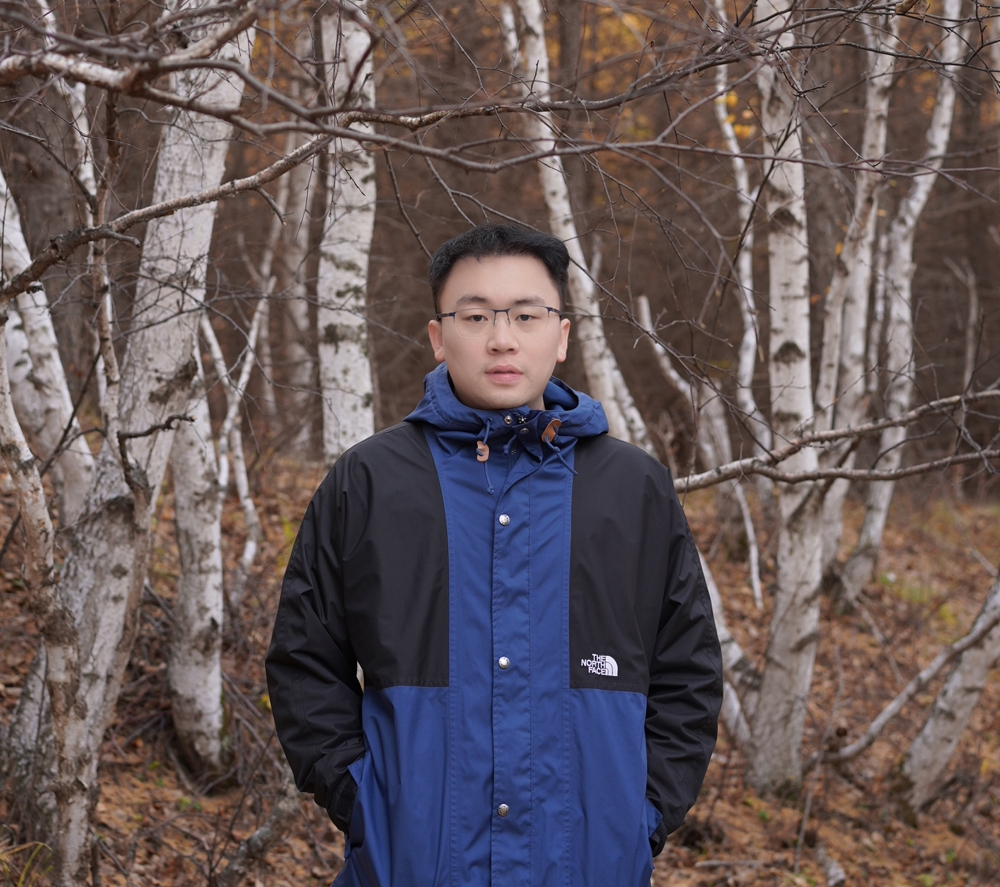
Background: Mr. Zhong earned his bachelor’s degree from Northwest A&F University in 2020 and joined the Ph.D. program at China Agricultural University under Dr. Zheng Hao that year. His doctoral research examines the gut microbiota’s interplay with host lipid metabolism and its cognitive implications. He demonstrated that *Gilliamella apicola* harbors the FADS2 gene, encoding a Δ-6 desaturase that converts dietary linoleic acid into bioactive metabolites like anandamide.
Citation: Mr. Zhong’s research focused on the impact of gut microbiota of honey bees on neurological responses, which has significant practical implications for understanding human health. By employing a number of current biochemical/molecular biology approaches, he could decipher a complete mechanism of action by the metabolites generated by enzymes from the microbes. He has an outstanding appreciation of the significane of the work, and skillful applications of different experimental methods. He appears to be mature, and has a clear vision on his future research, aiming at studies of human gut microbiota.
This prize is sponsored by The Xu Family Charitable Foundation.
Shiyi Lin
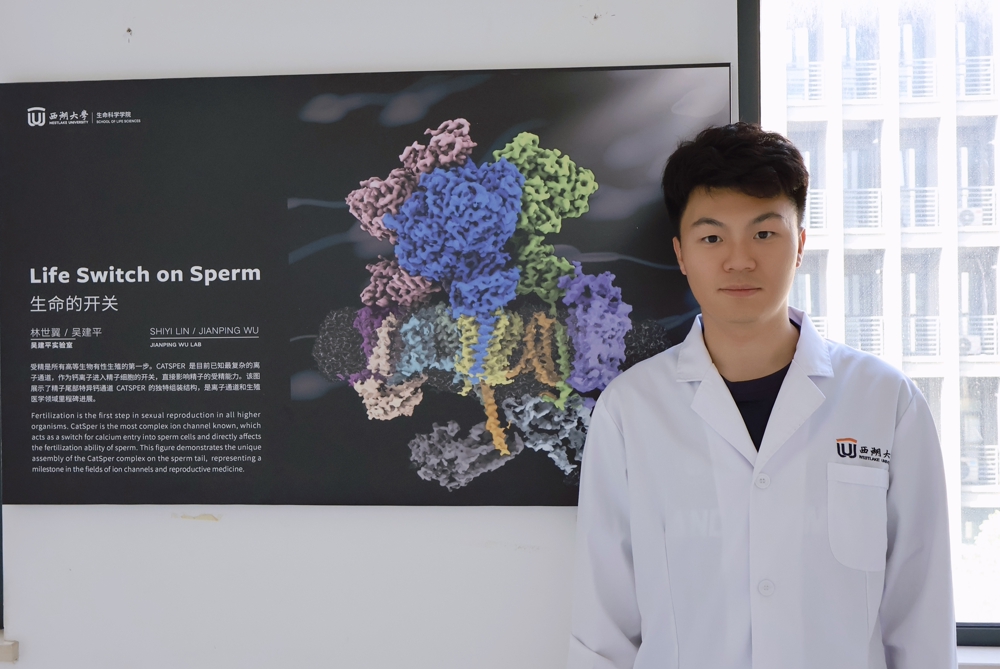
Background: Mr. Lin earned his bachelor’s degree from Shenyang Pharmaceutical University in 2020. He joined the Ph.D. program at Westlake University that year under the supervision of Dr. Yan Zhen and Dr. Wu Jianping. His research focuses on the assembly mechanism and functions of the CatSper calcium channel—a sperm activation switch critical for fertilization. He successfully purified native CatSper protein samples, enabling his research team to determine its high-resolution cryo-EM structure.
Citation: Mr. Lin’s work represents a heroic effort to isolate and purify the endogenous complex of sperm Ca2++ channel complex. By solving the structure with cryoEM techniques, his work provided new insights on the molecular mechanism for this class of cation channels. He showed good grasp of the relevant knowledge, including how the mouse protein’s structure may be extended to explain the mechanism of action by the human complex. He is particularly well-trained to perform structural analyses. His knowledge on the subject is fairly broad, knowledgable about the publications on how genetic mutations are related to certain human diseases. He showed strong enthusiams about his work, his answers are down to the point. His future plans are clear and ambitious.
This prize is sponsored by The Xu Family Charitable Foundation.
Jun Yang
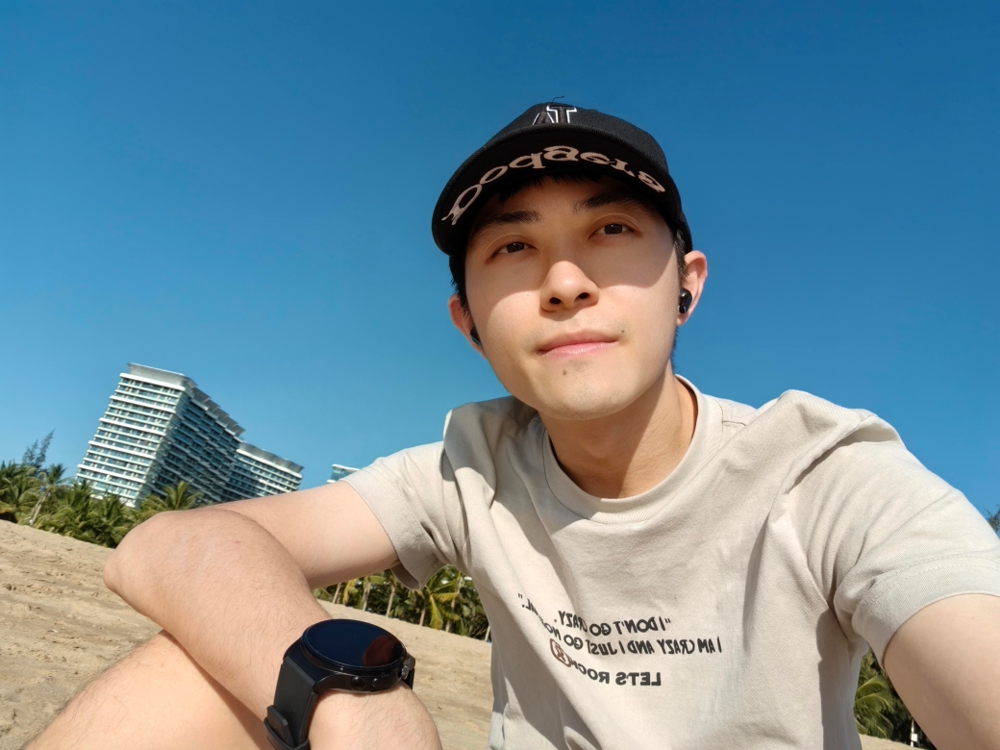
Background: Mr. Yang earned his bachelor’s degree from Nanjing Agricultural University in 2018 and joined the Ph.D. program at Peking University in 2020 under Dr. Lei Xiaoguang. His research targets mechanism-driven chemical biology for major diseases, with parallel work in biocatalysis. He revealed sulfated bile acids as mediators of cholestatic pruritus, resolved the bile acid-MRGPRX4 receptor structure, identified obeticholic acid’s pruritus target, and developed an anti-liver disease lead compound without pruritus side effects.
Citation: Mr. Yang has in-depth understanding of his research work. He could address each specific question, especially about the discovery of the new enzyme reaction mechanism by combining structural biology and studies with novel chemical analogs. His work revealed a new mechanism of action on itching with the newly discovered ligand. By genetic analyses, new drug candidates were identified as stablizing agents of the receptor. He could discuss about the different mechanisms related to the itching problem, is knowledgable about the differences of many ligands binding to the same receptor. He is aware of other groups’ results, and has ideas to develop new clinical treatments for itching. He is modest, but confident, knows his own stength. He also appears to be highly creative and possesses strong self-learning ability. He has a strong future research plan.
This prize is sponsored by The Xu Family Charitable Foundation.
Tian Lu
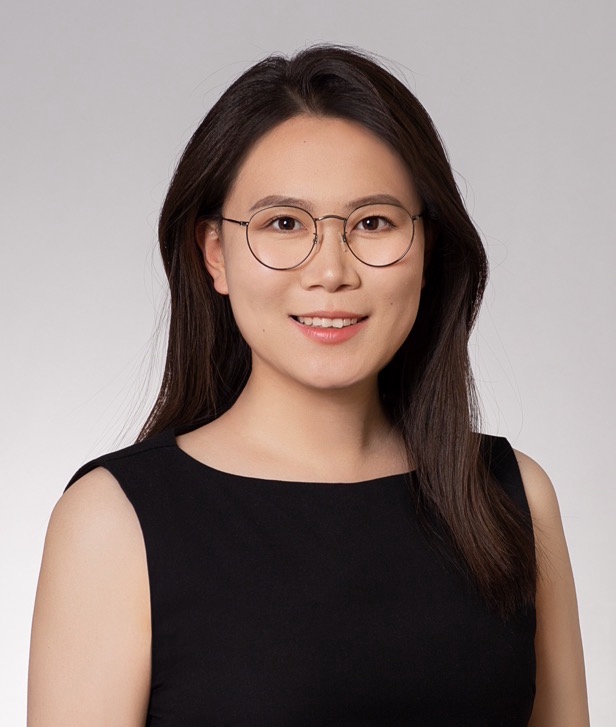
Background: Ms. Lu earned her BS from Northwest A&F University in 2019 and joined the Ph.D. program at IBP under Dr. Wang Xiaoqun in 2020. Her doctoral research systematically investigated human dorsal root ganglion (DRG) cell development and regulatory mechanisms. Starting from neural crest cells, she dissected key signaling pathways and gene regulatory networks governing their differentiation into diverse sensory neuron subtypes. Using single-cell and spatial transcriptomics, she revealed the molecular diversity and classification of human DRG neurons.
Citation: Research by Ms. Lu aims to establishing the organoid system for the neural system to enable new drug screening and precision medicine. She clearly described their model to study the neuron development, following the interactions of stimulating signals and gene expression. Her knowledge of the field is comprehensive, including clearly explain the different sensory mechanims for different responses to non-experts. She is aware of the limitation of organoids, and would like to extend the studies in model animals. She showed clear thinking, highly motivated. She is confident, optimistic and could perform well under pressure.
This prize is sponsored by The Xu Family Charitable Foundation.
Minsheng Hao
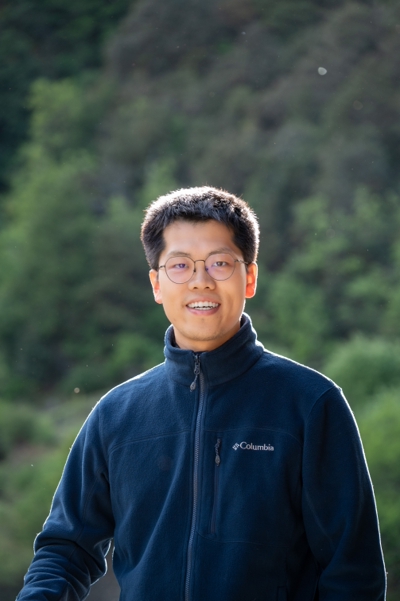
Background: Mr. Hao earned his bachelor’s degree from Tsinghua University in 2020 and continues his Ph.D. research under Dr. Xuegong Zhang. He develops scalable machine-learning approaches to: (1) map cellular gene relationships, (2) identify spatially variable genes, and (3) generate context-specific cell states. He built a pathology/single-cell foundation model using contrastive learning, added a local Transformer for spatial texture analysis, and created an LLM agent for planning iterative perturbation experiments.
Citation: Using advanced AI methods, Mr. Hao carried out systematic analyses of single cell transcriptomes by network pathways, with great potential to identify gene products related to diseases. His analytic work is closely tied to the work by experimental biologists. He pointed out the shortcomings of current methods and provided possible directions for improvements. He acknowledged the limitation and challenges of the AI analytic methods, and proposed experimental approaches (such as generating mutations) to validate the results from AI studies. His outline for the work is excellent. He addressed own future research directions, with more focus on medical applications, including discovery of new drug targets.
This prize is sponsored by The Xu Family Charitable Foundation.
Zixian Liu
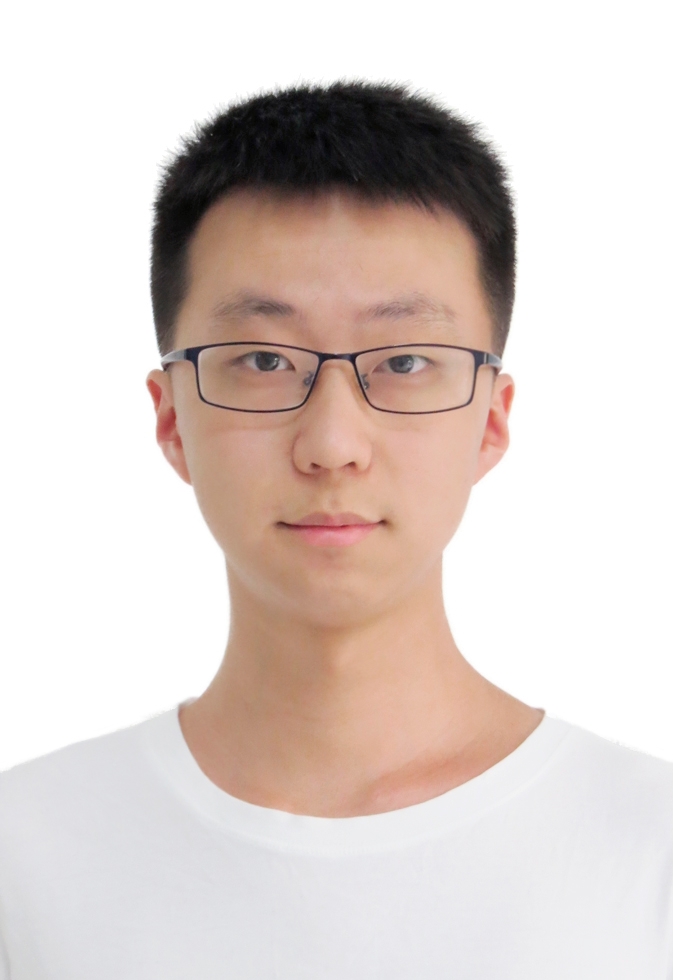
Background: Mr. Liu earned his bachelor’s degree from Wuhan University in 2021 and entered the Ph.D. program at Tsinghua University that year under Dr. Liu Junjie. His work focuses on catalytic RNA ribozymes. Through large-scale RNA activity profiling, he discovered HYER ribozymes—a novel class capable of hydrolytic DNA cleavage. Comprehensive *in vitro* characterization demonstrated robust DNA-targeting activity across broad salt concentrations and temperatures, with exceptional tolerance to physiological salt conditions, laying foundations for bacterial and mammalian gene editing.
Citation: The discovery of the new ribozyme for DNA cleavage by Mr. Liu is a new milestone, which could be highly valuable as a new DNA editing tool. He discussed all the experimental details, clearly compared the pros and cons with other DNA editing techniques. He further expanded to delineate the evolutional routes of various ribozymes. He could explain the enzyme mechanism, and showed in-depth understanding of the topic. He showed strong independent innovation including actively seeking new approaches, is willing to challenge current knowledge of the field, and good at experimental design. He speaks smoothly, with confidence.
This prize is sponsored by the Xu Family Charitable Foundation.
Chenjun Guo
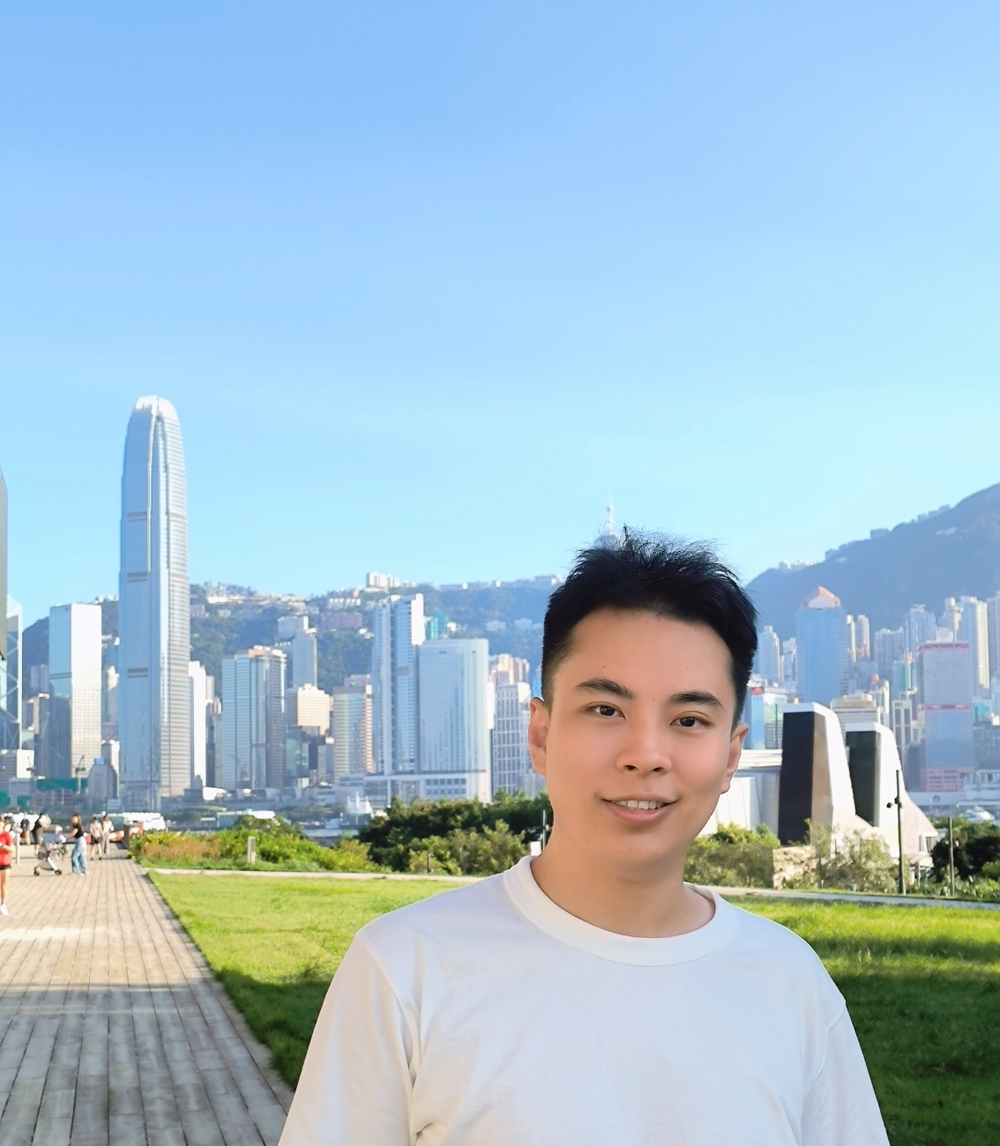
Background: Mr. Guo earned his bachelor’s degree from ShanghaiTech University in 2020 and began his Ph.D. research under Dr. Liu Jilong that year. Using biochemical methods and cryo-electron microscopy, he analyzed ultra-high-resolution structures of metabolic enzymes forming cytoophidia and metabolic filaments, establishing experimental and theoretical frameworks for their study. He further obtained 100 high-resolution dynamic structures via cryo-EM, providing the first comprehensive insight into GTP’s allosteric regulation of CTP synthase.
Citation: Mr. Guo put his focus on enzymes that may form high order complexes, such as fibers. He observed the higher order structure by cryoEM in vitro and negative stain in situ. His interpretation of the phenomenon as an increase of enzymatic efficiency, including the channeling effect. His hypothesis was validated by biochemical reactions. He presented the work and his mechanistic model clearly, although some of his answers to questions are not always specific to the point. He demonstrated convincing independence in research. More advanced training, especially in enzymology, would be beneficial. His verbal skills are very good.
This prize is sponsored by the Xu Family Charitable Foundation.
Zihong kang
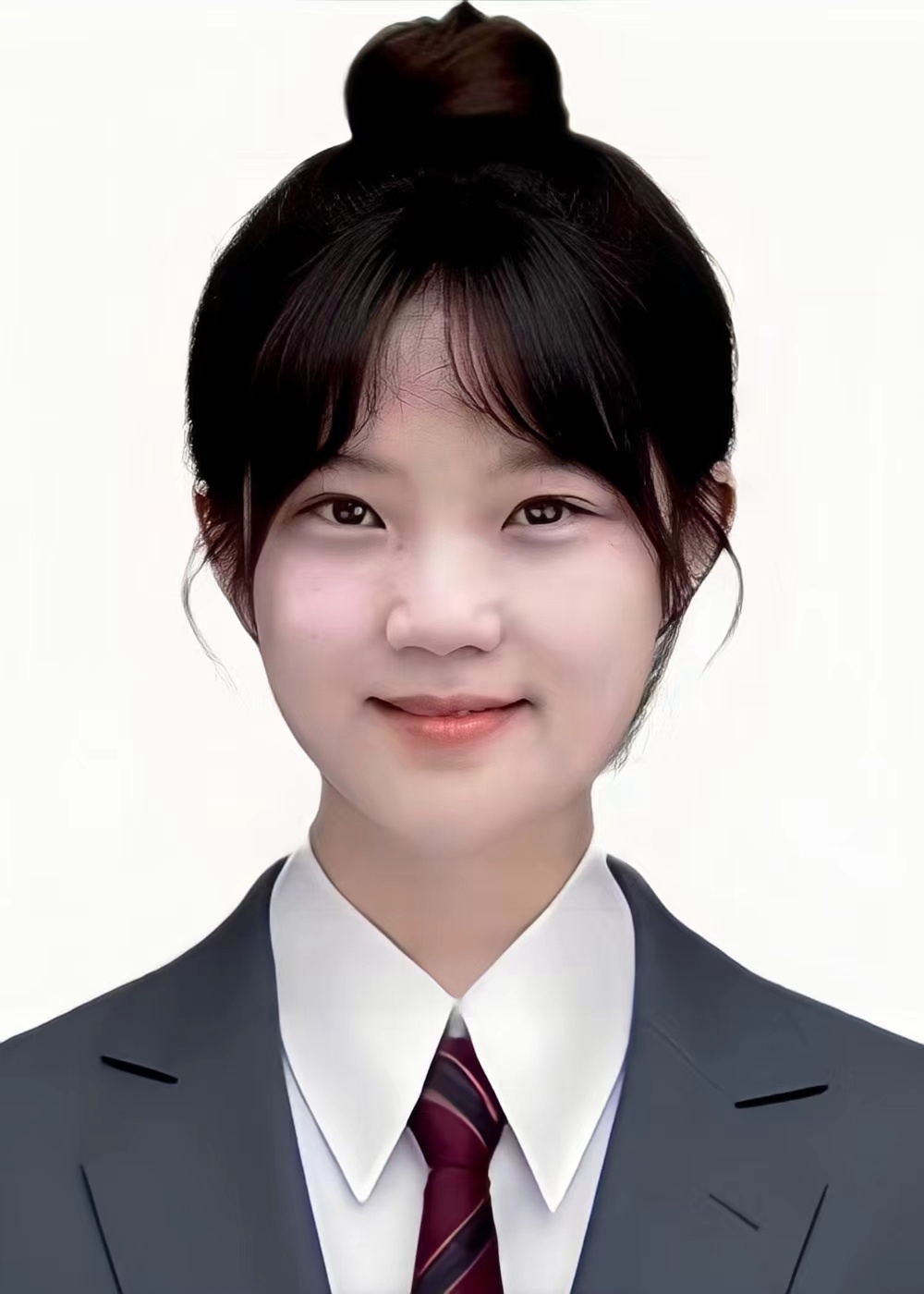
Background: Ms. Kang earned her bachelor’s degree from Henan Agricultural University in 2017 and began her Ph.D. research at Peking University in 2020 under Dr. Liu Jun. Her work focuses on regulatory mechanisms and functions of RNA modifications and chromatin interactions. She discovered a high prevalence of m⁶A modifications in cenRNA within tumor cells, where the centromere-specific histone H3 variant CENPA acts as an m⁶A “reader,” selectively binding m⁶A-modified cenRNA.
Citation: Ms. Kang is interested in RNA modifications, which play key roles in the regulation of many cellular functions. Her work mainly deals with reading of M6A by CENPA. She has to independnetly overcome various technical difficulties during the research work. Her results provided new insights on different mechanisms of cell proliferation, which includes the differences between normal cells and cancer cells. She can explain her own work clearly, even though her understanding of molecular interactions relevant to her work could be improved. She answered most of interviewers’ questions well, but should pay attention to make them succinct and more indepth.
This prize is sponsored by the Xu Family Charitable Foundation.
RWMF members at the 14th Ray Wu Memorial Symposium 2025

https://blog.sciencenet.cn/blog-655618-1510457.html
上一篇:2026年度吴瑞奖学金申请公告
下一篇:我与吴瑞奖相遇的故事