博文
[转载]News from Science-324
||
Weekly Headlines (Excerpts)
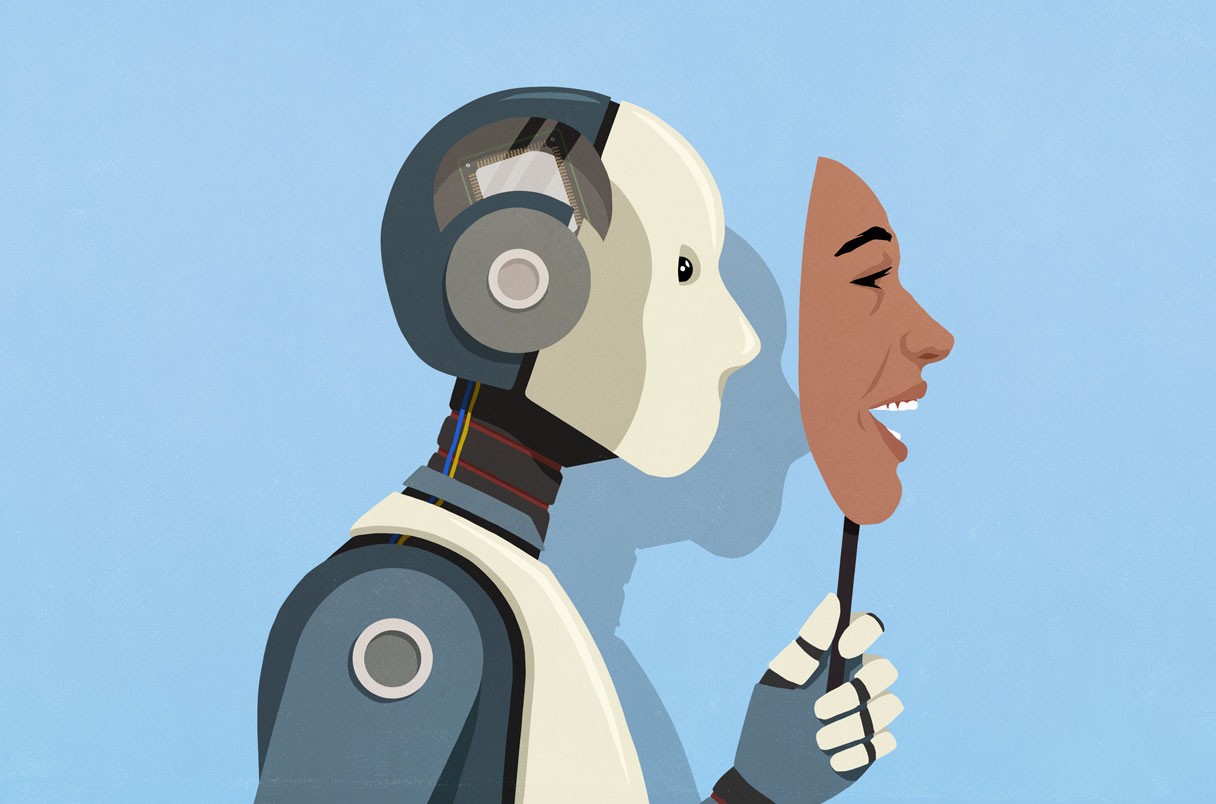
1. AI may upend online studies critical to social science
Sophisticated bots risk contaminating surveys, games, and other approaches designed to shed light on human behavior
19 Dec 2025 By Cathleen O’Grady
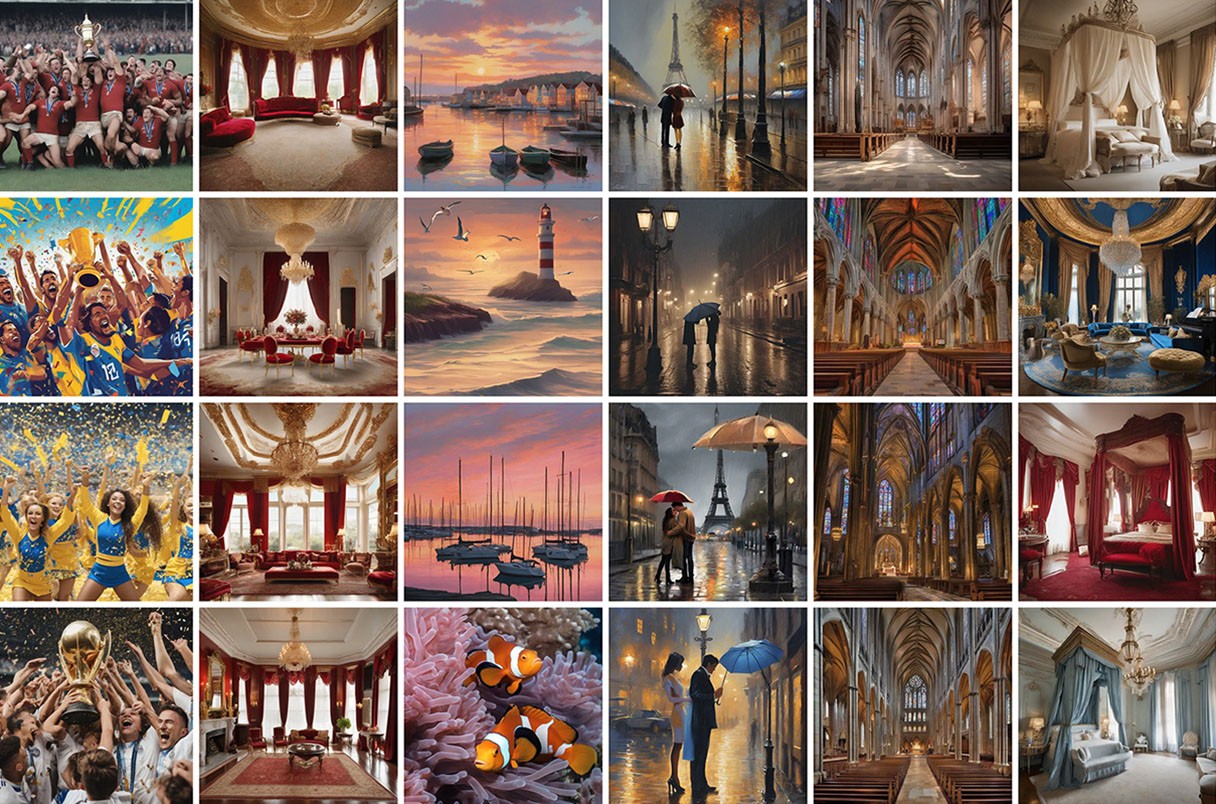
2. When creating images, AI keeps remixing the same 12 stock photo clichés
In a game of visual telephone, models converge on ecstatic sports wins, romantic nights in Paris, and other cultural chestnuts
19 Dec 2025 By Celina Zhao
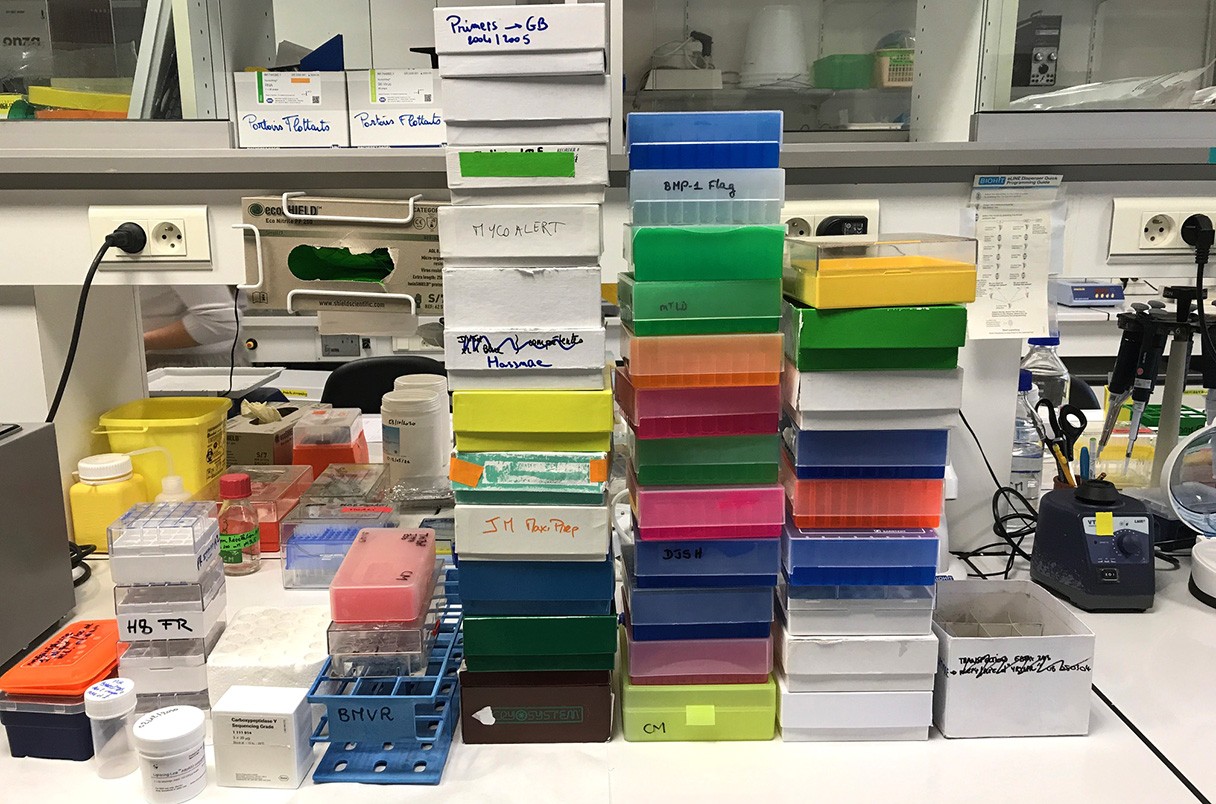
3. To reduce science’s carbon footprint, researchers in France reinvent work practices
Grassroots efforts explore what works—and where the tensions lie
19 Dec 2025 By Elisabeth Pain
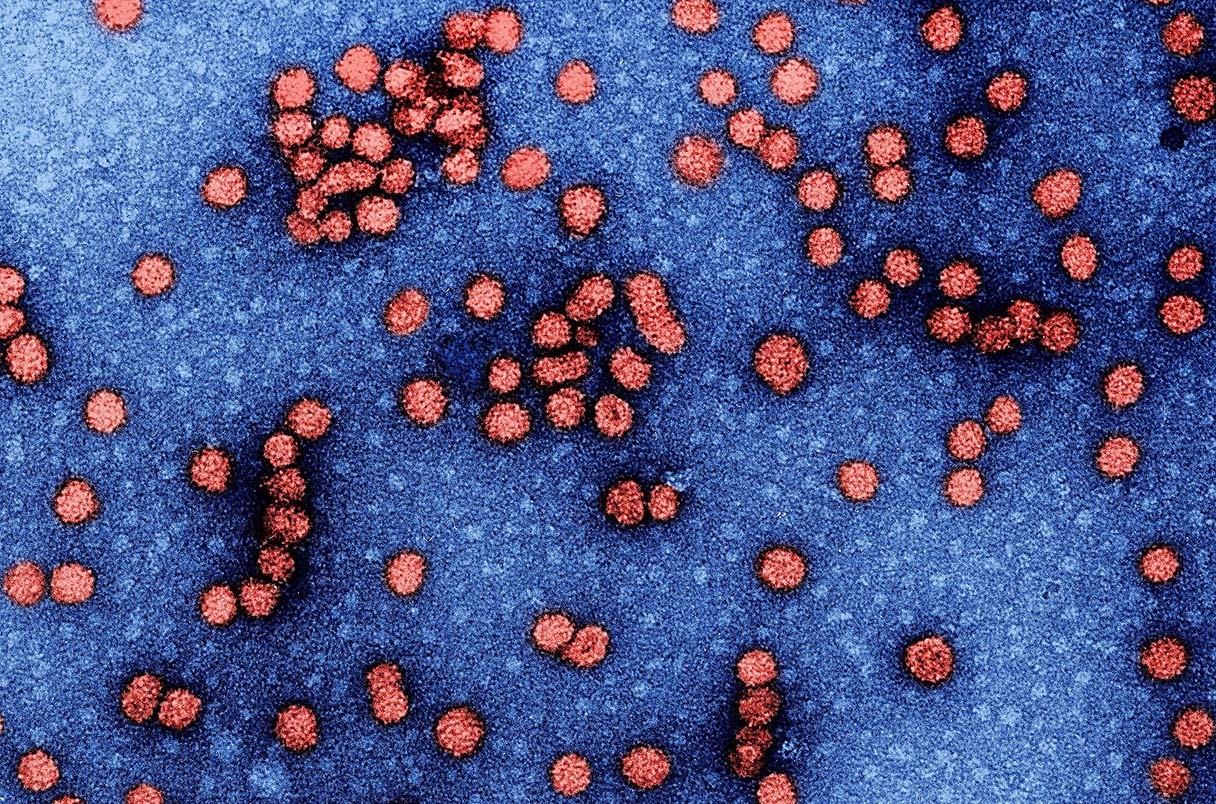
4. CDC funds controversial hepatitis B vaccine trial in African newborns
Scientists question the value of the proposed study, which will investigate a vaccine long known to be efficacious and safe
18 Dec 2025 By Catherine Offord
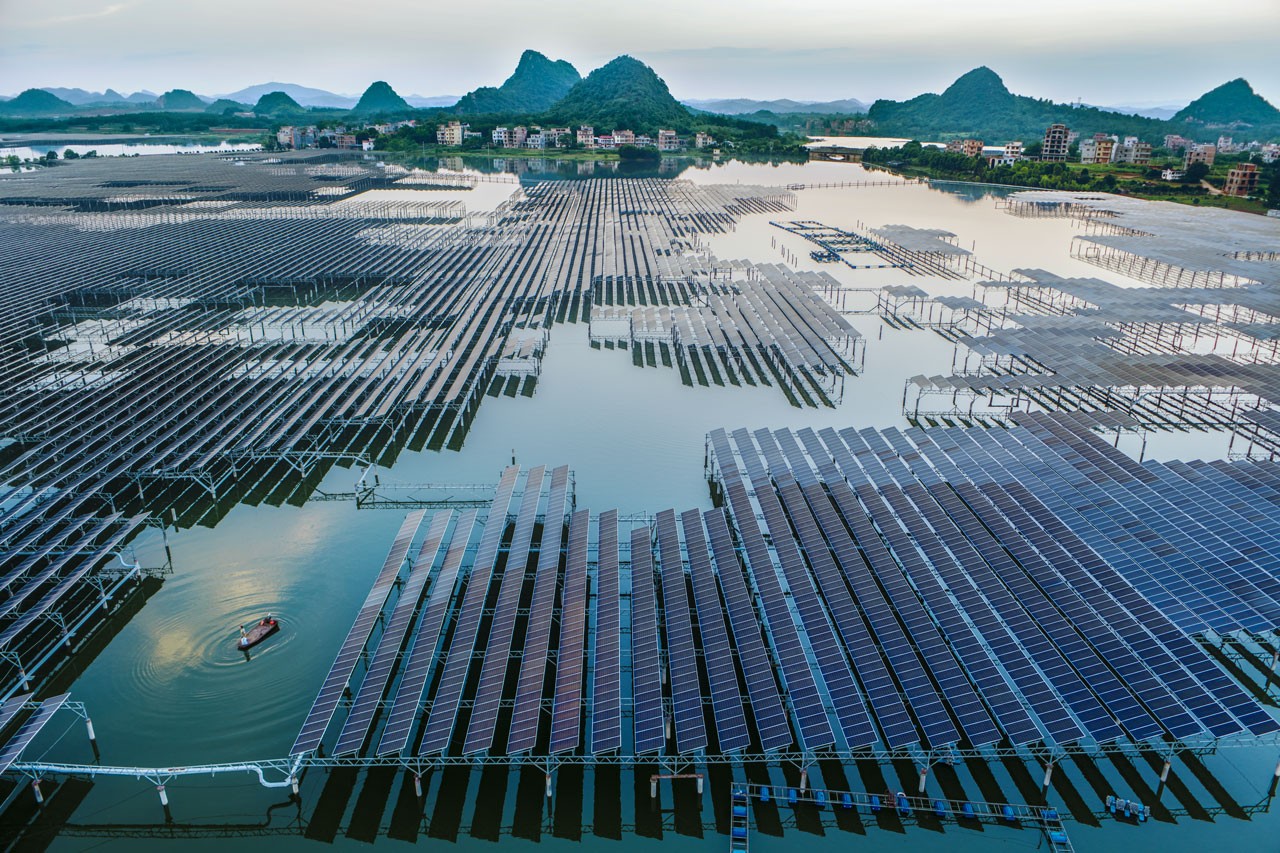
5. Science’s 2025 Breakthrough of the Year: The unstoppable rise of renewable energy
Clean energy infrastructure is being deployed with unmatched scale and speed—and China is leading the way
18 Dec 2025
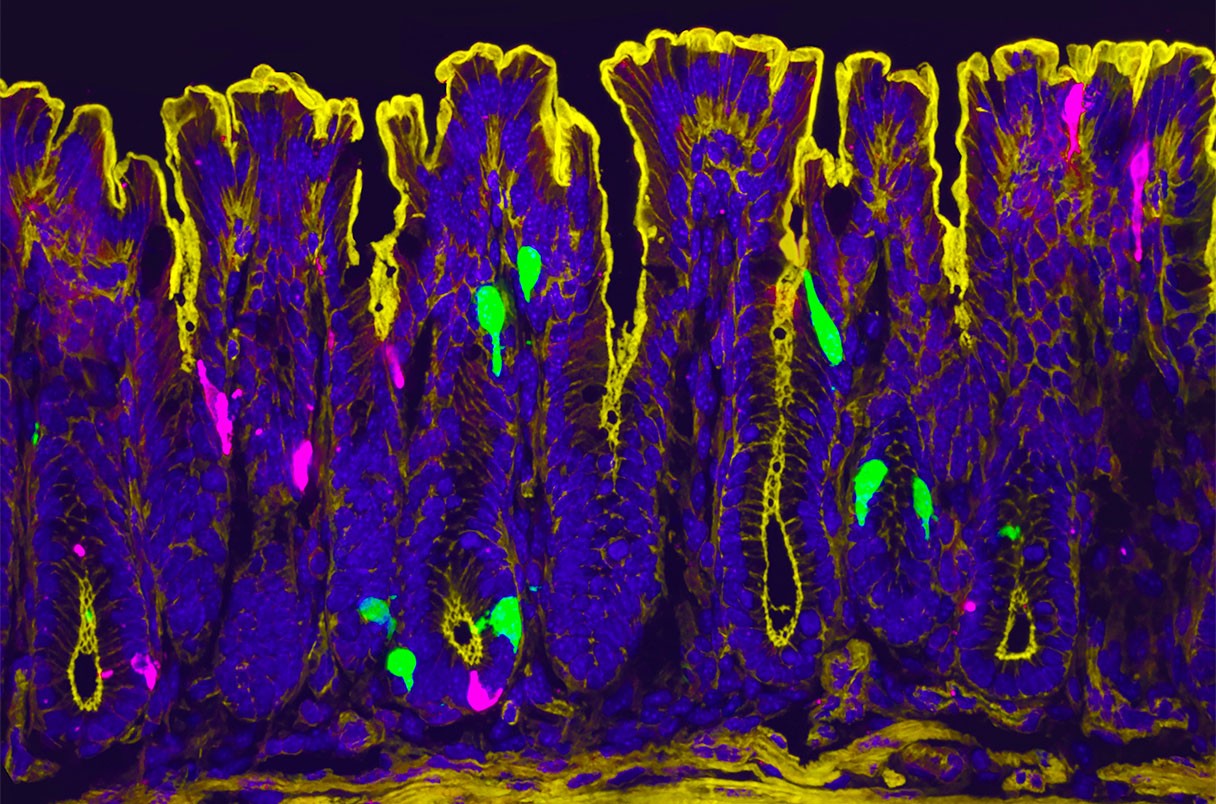
6. Why are women more likely to get irritable bowel syndrome? New study provides clues
Cells in the guts of female mice respond to estrogen by increasing pain signaling, researchers find
18 Dec 2025 By Catherine Offord
7. Our favorite science news stories of 2025
A mix of Science’s most loved and most read items of the year
18 Dec 2025 By David Grimm
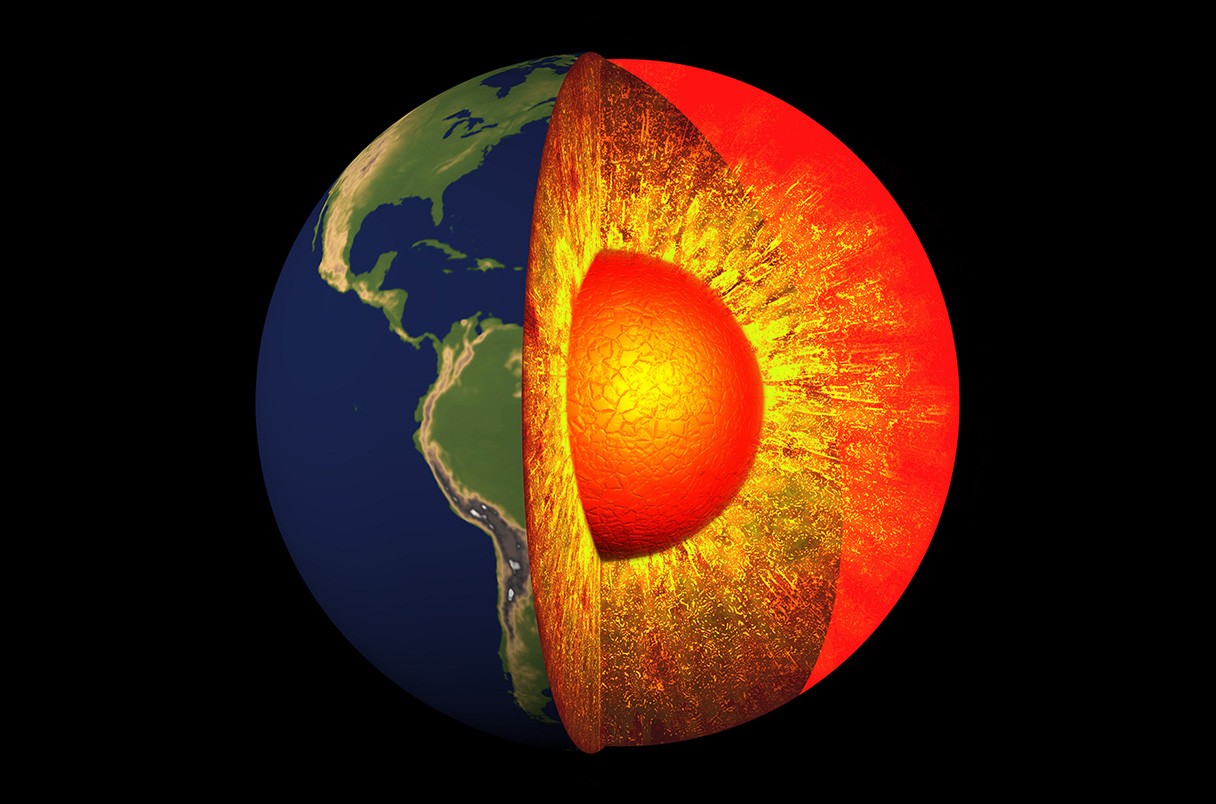
8. Ancient tectonic plates are oozing along Earth’s core
Thousands of earthquakes yield best picture yet of core-mantle boundary, shedding light on deep flows of viscous rock
17 Dec 2025 By James Dinneen
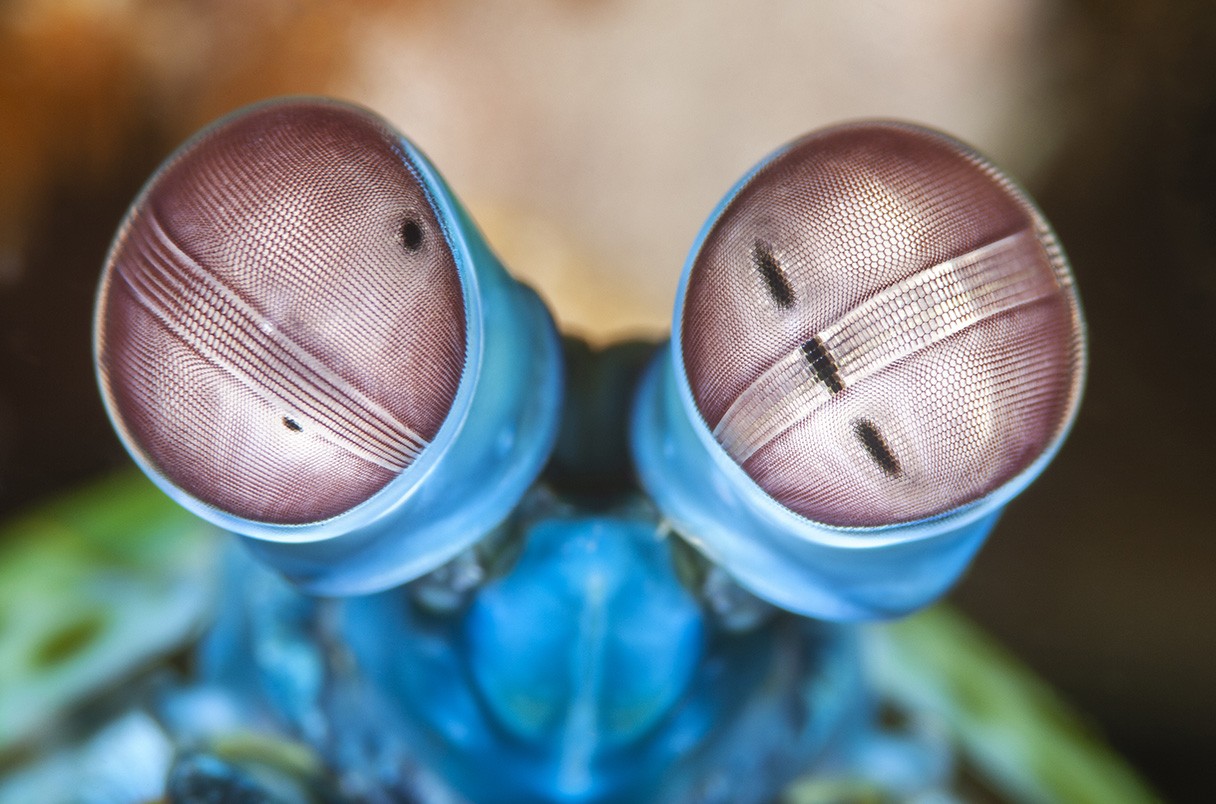
9. Why have so many different eyes evolved? Gamelike simulation could provide answers
“Powerful” method for studying evolution could help researchers understand how species developed specialized eyes
17 Dec 2025 By Cathleen O’Grady
10. New materials could supercharge computer memory chips
Ferroelectrics could bolster “flash” memory in AI data centers and autonomous robots
17 Dec 2025 By Robert F. Service

11. Titan might not have an ocean after all
A reanalysis of data from NASA’s Cassini mission suggests Saturn’s icy moon may lack the subsurface ocean presumed for a decade
17 Dec 2025 By Hannah Richter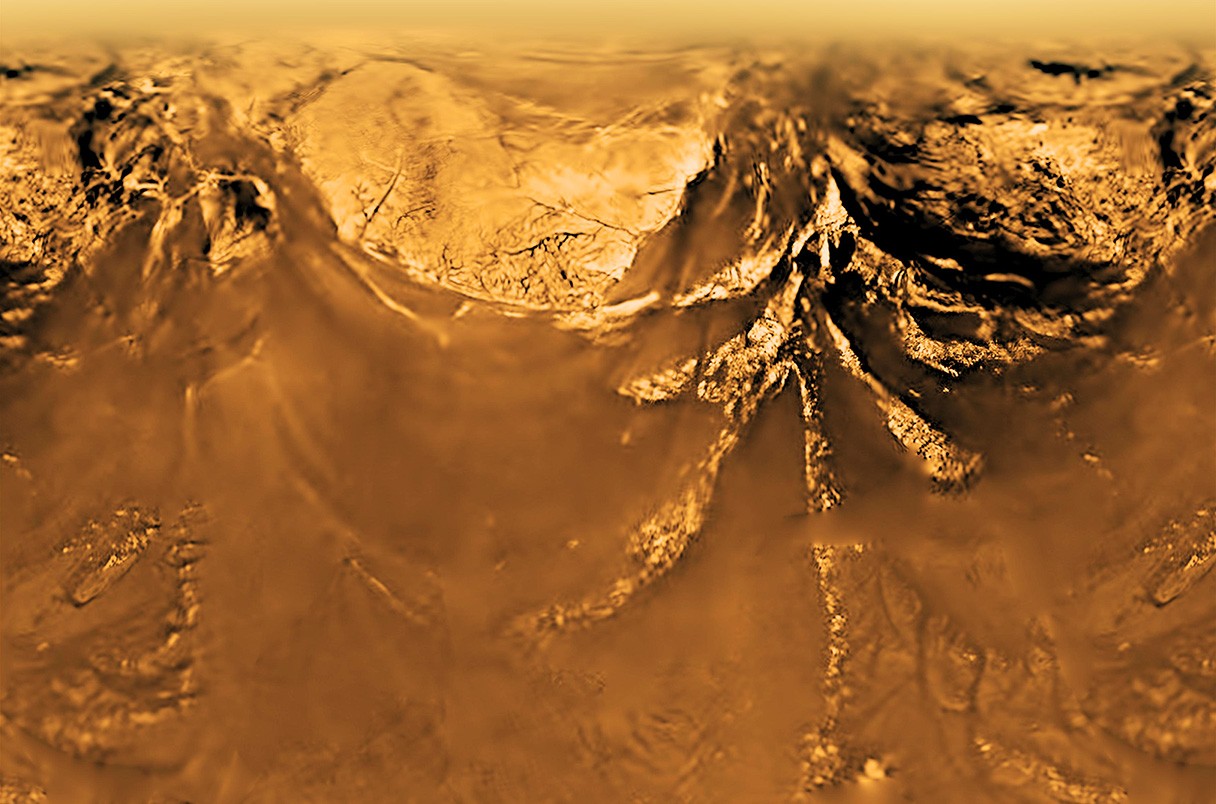
https://blog.sciencenet.cn/blog-3389947-1515124.html
上一篇:英语语法要领通识-7-动词(7.3-短语动词与动词短语)
下一篇:英语语法要领通识-7-动词(7.4-非限定动词)